Why NBA fans ought to smile at the new jerseys of the Washington Wizards
Since arriving in DC for the summer, I’ve been pleased to find the city actually passionate about sports. While the nation’s capitol doesn’t quite have the same reputation of sports faithfulness as Boston, athletic glamour of New York, or the down-to-earth passion of Chicago, the DC sports scene is burgeoning with the addition of the Nationals, cementing the status of the city as a major market with a team in each of the Big Four (and Maryland and Georgetown for college sports compare favorably with any college teams in the other major sports cities, at least in basketball).
 |
| An underrated city for sports |
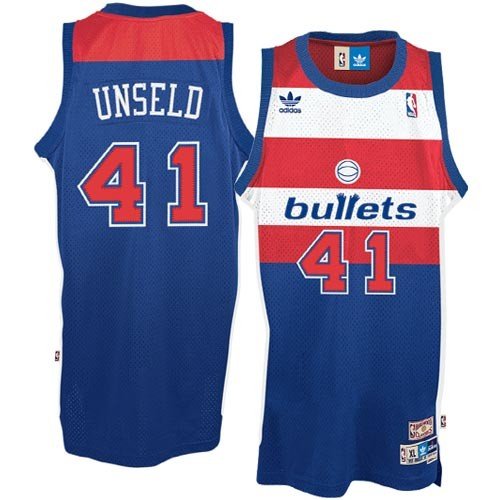 |
| The legendary Bullets "barbershop" jerseys |
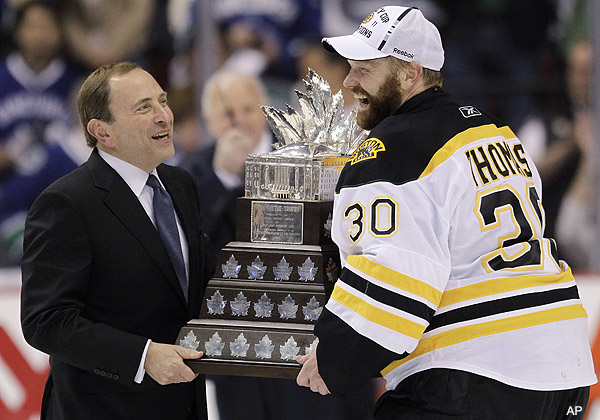
A Brooklyn native who first came to DC to attend Georgetown, Leonsis made his coin in the internet boom of the Nineties, as he was heavily involved with AOL and still holds the position of “Vice Chairman- Emeritus” there. But he desired to own a sports franchise, and bought first controlling positions in the Capitals, and as of this year, the Wizards. By all accounts he stays very involved with operations of his team, and as one of the more competitive owners in both leagues, has actually prevented opposing fans from buying tickets in the Verizon Center for Capitals playoff games. Talk about a computer nerd run wild.
In last week’s NBA Draft, Leonsis and the Wizards continued attempting to upgrade the roster and bring in talent to complement the exciting young team he has. With the sixth pick, the Wizards brought “the Dunking Ninja”, Jan Vesely, to play alongside John Wall, and in the process the cocky Czech Republican stole the show by making out in front of thousands with his girlfriend and dubbing Blake Griffin “the American Jan Vesely”. Another pick yielded Chris Singleton, who had been projected to go significantly higher, and their final pick brought former Butler star Shelvin Mack to the Beltway. The draft has been criticized, as although the changes should result in a faster pace of play next year, the Wizards appear to have reached on some of the draft picks. But Leonsis has accomplished something that while perhaps the most visible change on the rink or court, has subtle symbolic and historical implications- that’s right, he changed the uniforms.
The Capitals reverted from their disgusting teal-ish, black, white and gold scheme in 2007 back to a form of their original logo and jerseys of their beginning years in 1974. Combined with the emergence of NHL superstar Alexander Ovechkin, this has raised greater fan support for the Capitals and generated some nice publicity. But aside from Michael Jordan’s foolish decision to un-retire for a second time when he could enjoy the simpler things in life, the Wizards have been an NBA wasteland since when they were the Baltimore, and then Washington, Bullets, when Wes Unseld rocked one outstanding mini-fro and led them to the 1978 NBA title. Sadly that was the last we saw of those beautiful barbershop-stripe unis on the court (except for the occasional throwback night, and of course, the NBA still sells them as part of their Hardwood Classics collection).
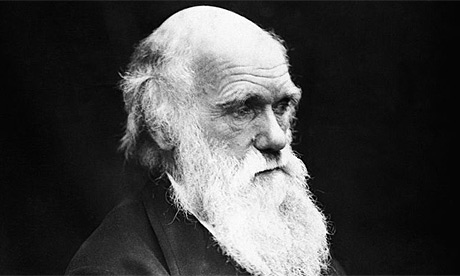
Until 2011. Leonsis has expressed his patriotism again by red, white and blue-ing the Wizards’ shoddy, outdated, bastardized-Capitals colors. Unfortunately he decided to keep the once-clever “Merlin” Wizards logo, who now looks more like Santa Claus or Charles Darwin than any associate of King Arthur. But the jerseys hearken back to the glory years and tradition of the franchise, appeal to the patriotism of the DC fan base, and market the heck out of second-year point guard, number one overall draft pick and Franchise Savior Wall (who’s probably more well known to you as the guy behind this ridiculous dance “move”). The uniforms look and represent the attributes basketball jerseys should: classic and cool.
In last week’s NBA Draft, Leonsis and the Wizards continued attempting to upgrade the roster and bring in talent to complement the exciting young team he has. With the sixth pick, the Wizards brought “the Dunking Ninja”, Jan Vesely, to play alongside John Wall, and in the process the cocky Czech Republican stole the show by making out in front of thousands with his girlfriend and dubbing Blake Griffin “the American Jan Vesely”. Another pick yielded Chris Singleton, who had been projected to go significantly higher, and their final pick brought former Butler star Shelvin Mack to the Beltway. The draft has been criticized, as although the changes should result in a faster pace of play next year, the Wizards appear to have reached on some of the draft picks. But Leonsis has accomplished something that while perhaps the most visible change on the rink or court, has subtle symbolic and historical implications- that’s right, he changed the uniforms.
The Capitals reverted from their disgusting teal-ish, black, white and gold scheme in 2007 back to a form of their original logo and jerseys of their beginning years in 1974. Combined with the emergence of NHL superstar Alexander Ovechkin, this has raised greater fan support for the Capitals and generated some nice publicity. But aside from Michael Jordan’s foolish decision to un-retire for a second time when he could enjoy the simpler things in life, the Wizards have been an NBA wasteland since when they were the Baltimore, and then Washington, Bullets, when Wes Unseld rocked one outstanding mini-fro and led them to the 1978 NBA title. Sadly that was the last we saw of those beautiful barbershop-stripe unis on the court (except for the occasional throwback night, and of course, the NBA still sells them as part of their Hardwood Classics collection).
Until 2011. Leonsis has expressed his patriotism again by red, white and blue-ing the Wizards’ shoddy, outdated, bastardized-Capitals colors. Unfortunately he decided to keep the once-clever “Merlin” Wizards logo, who now looks more like Santa Claus or Charles Darwin than any associate of King Arthur. But the jerseys hearken back to the glory years and tradition of the franchise, appeal to the patriotism of the DC fan base, and market the heck out of second-year point guard, number one overall draft pick and Franchise Savior Wall (who’s probably more well known to you as the guy behind this ridiculous dance “move”). The uniforms look and represent the attributes basketball jerseys should: classic and cool.
 |
| Rebirth of the cool |
For detailed analysis of the actual uniforms, you can check out Paul Lukas’ blog which goes in-depth with the changes. As far as the aesthetic qualities of the uniforms are concerned, the bold, bright colors of the new-look Wizards mark this jersey as opening a new chapter in the franchise’s history, free from a team lead by a fun-loving, overpaid, wanna-be gangster who brought guns into the locker room in a blatant violation of NBA policy (notice, NRA lobbyists/supporters, that I didn’t say anything about the constitutionality of the ban). Not only is it a time-honored tactic to spur merchandise sales, the Wizards’ changing of the garments signifies the commitment Leonsis has made to revamp the franchise in the same manner that he’s transformed the capitals. The sweet duds will be far from enough to vault the Wizards into the playoffs, but it’s an obvious, yet subtle, sign of the hope and change that’s coming to Beltway basketball (if not Beltway politics). I only wish I’d be around in the fall (assuming there’s an NBA season) to see the revolution be televised
-The Real Deal